Thick, oily, or inflamed skin can lead to more pronounced and prolonged postoperative edema (swelling), particularly around the tip of the nose.
Appropriate skin preparation can help reduce postoperative swelling and promote a faster recovery. Several scientific studies have highlighted the value of certain dermatological treatments, such as retinoids, in improving the postoperative course, although they have not shown a significant benefit regarding the final aesthetic outcome.
A skin assessment before rhinoplasty
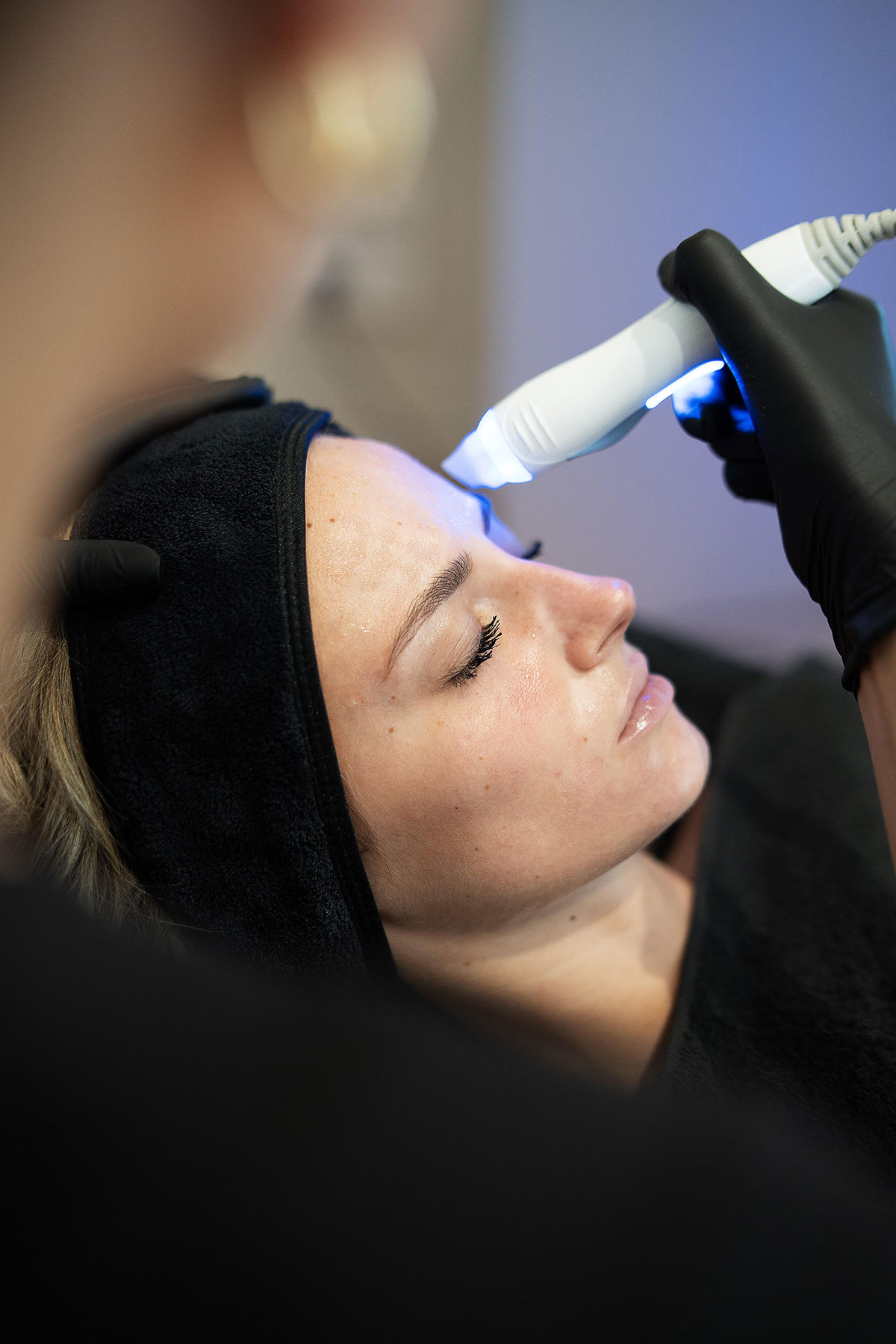
Before the procedure, it can be beneficial to undergo a personalized skin assessment to evaluate factors such as skin thickness, hydration levels, sebum production, and the presence of any inflammation or imperfections.
Depending on your skin’s specific characteristics, a tailored preparation regimen may be recommended, incorporating cleansing and moisturizing treatments, superficial chemical peels, or specific dermatological therapies.
These treatments can be performed at the SkinLab at Clinique Opéra in Montpellier, in coordination with your surgical care.
The goal is to approach the procedure with skin that is as healthy, balanced, and free from inflammation as possible, thereby minimizing factors that could prolong swelling and facilitating a smoother recovery.
Sources:
- Sazgar et al., Aesthetic Plastic Surgery, 2019. PubMed
- Saadoun et al., International Journal of Dermatology, 2023. PubMed
- Topical Tretinoin in the Management of Thick-skinned Rhinoplasty Patients, 2024. Article intégral